

Introduction
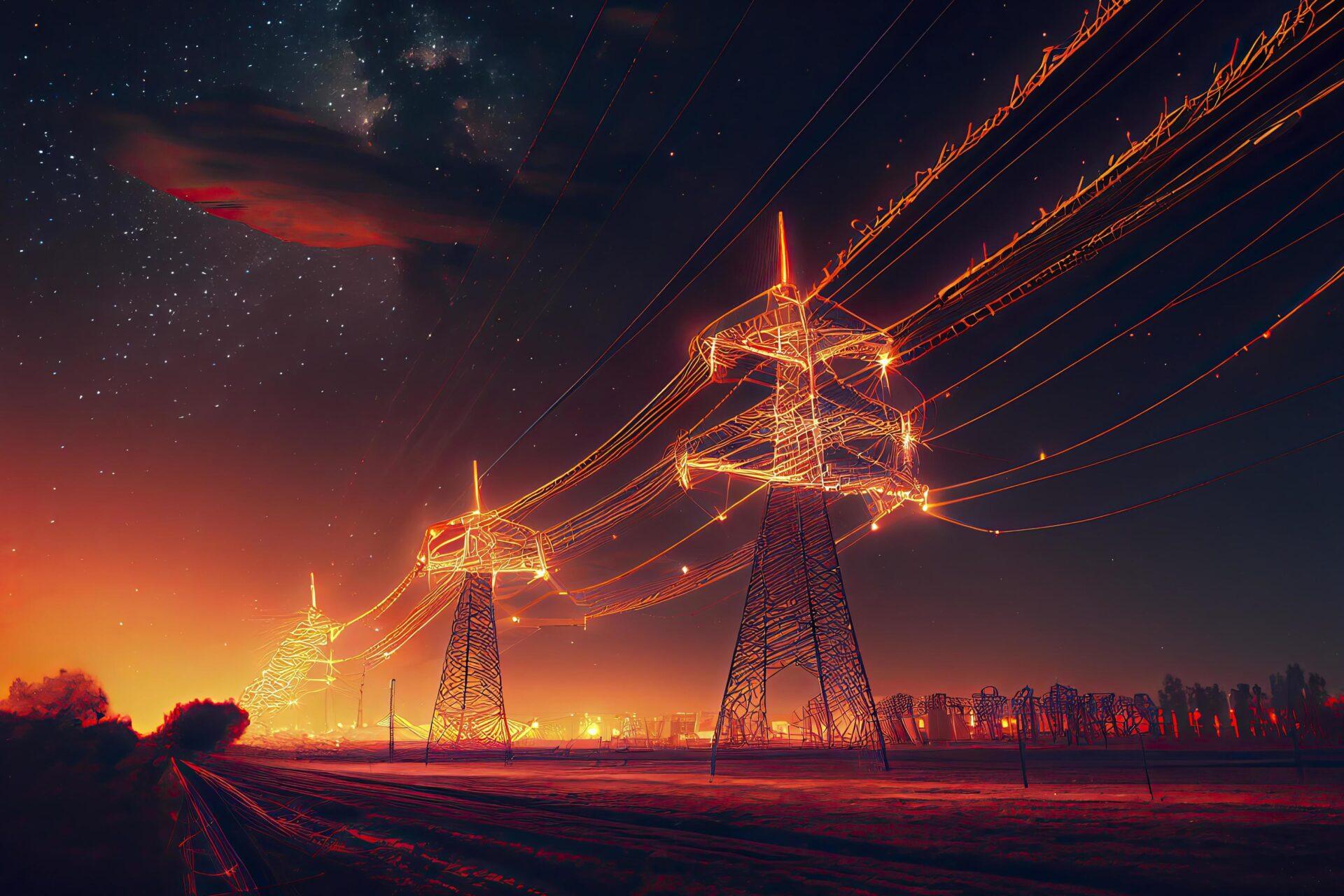
Bangladesh has achieved a significant improvement in economic growth over the past two decades. It happened due to industrialization and urbanization processes as well as increased living standards. Nuclear power is one of the crucial sources to meet the growing demand for electricity in Bangladesh. Industries, households, health, education, media, and transport increasingly rely on the constant supply of energy.
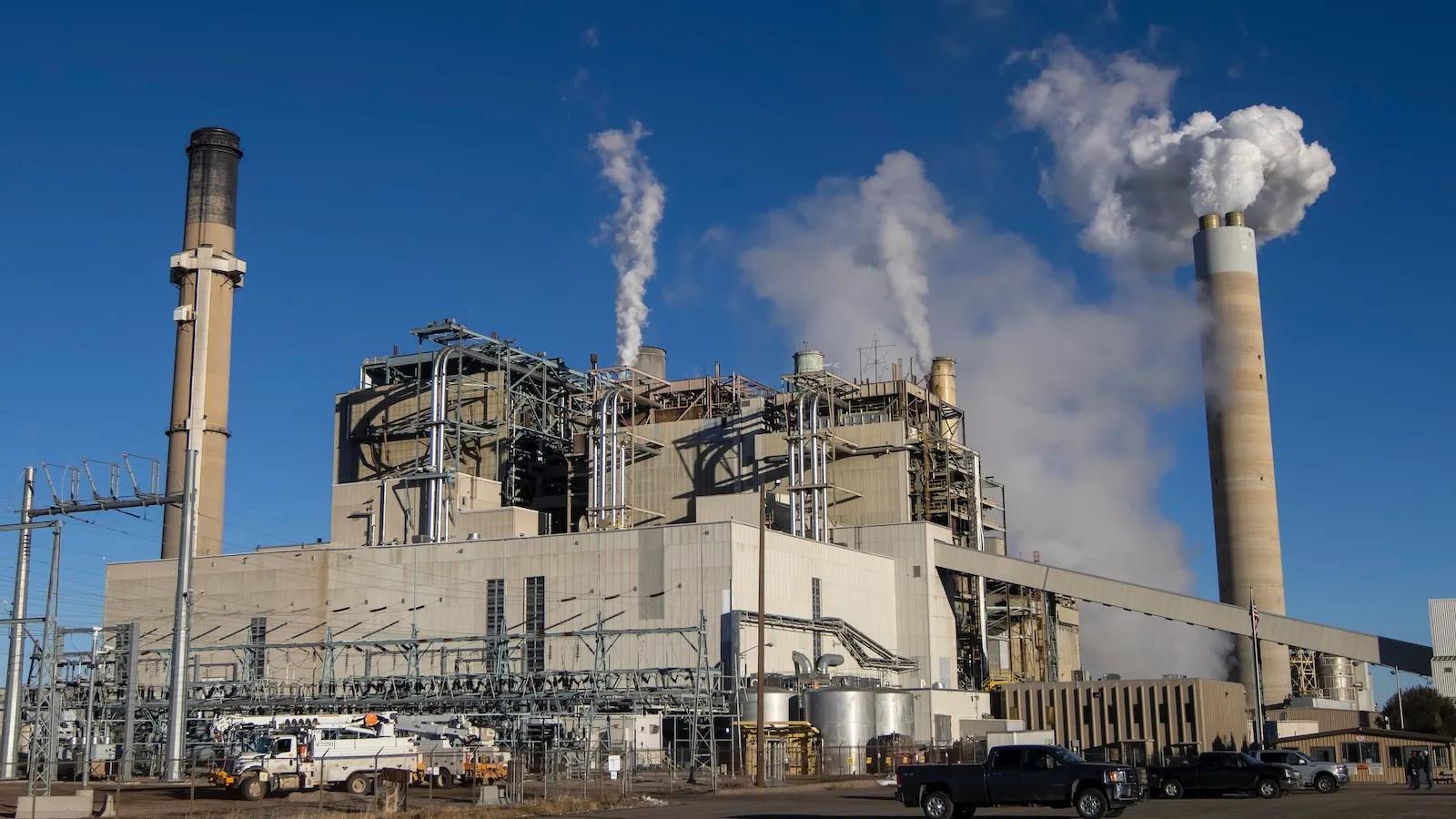
Although Bangladesh has greatly progressed in terms of electricity access, the issue of reliable and affordable energy remains a matter of great concern. Natural gas has so far been the most used source of energy. However, given the insufficient gas reserves, Bangladesh is now highly dependent on LNG, coal, and petroleum imports. This makes the country vulnerable to price changes in the world market. Electricity generation from renewable sources is increasing. Considering the intermittent nature of these resources, nuclear power may serve as the best stable electricity source for Bangladesh. Being Bangladesh’s first-ever nuclear power plant, Rooppur Nuclear Power Plant plays a vital role in ensuring electricity security while contributing to the sustainable development of the country. Nevertheless, nuclear power comes with several challenges that should be taken into account. This article will discuss both opportunities and threats of nuclear power in Bangladesh, as well as its overall impact on the country.
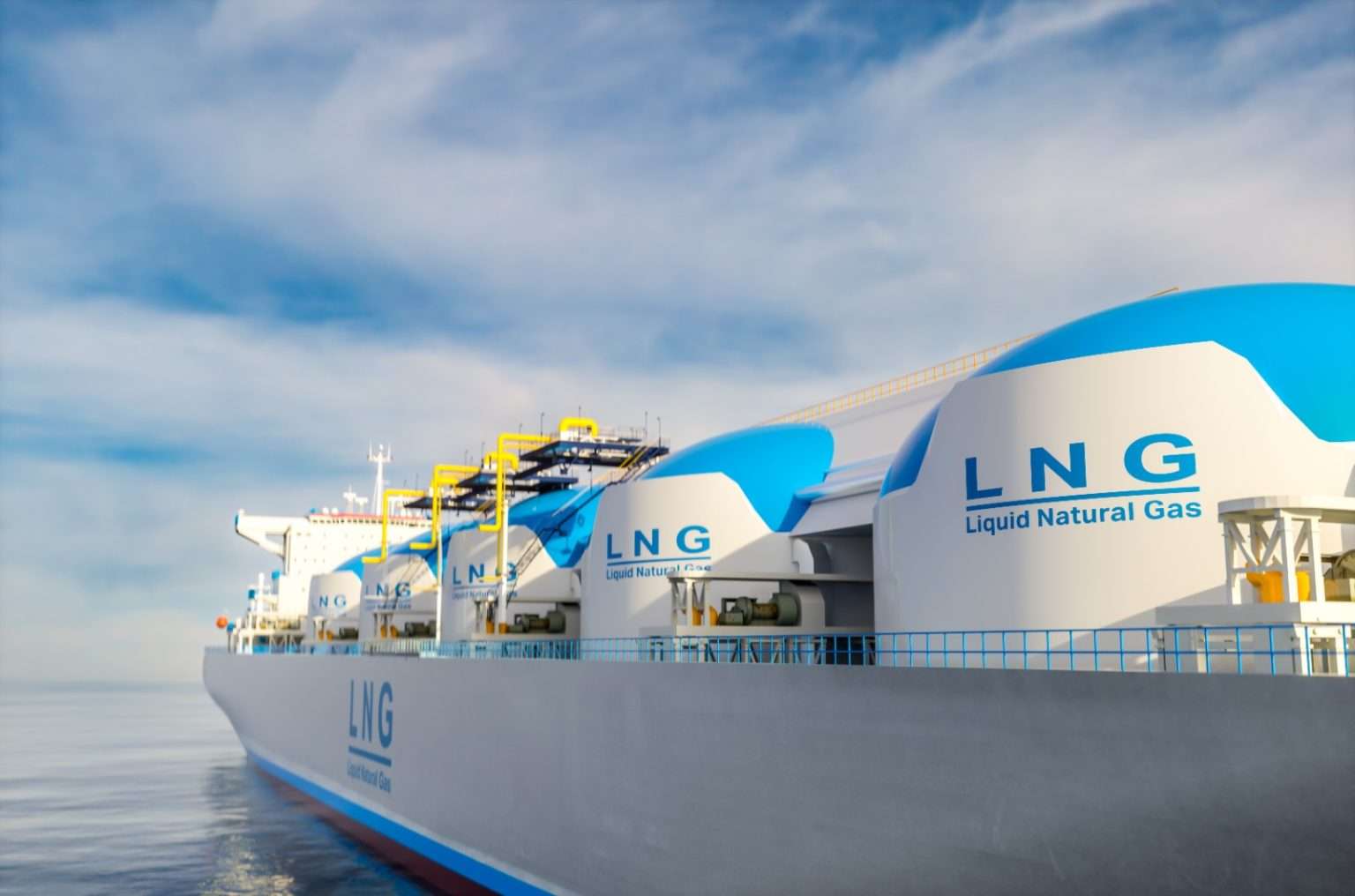
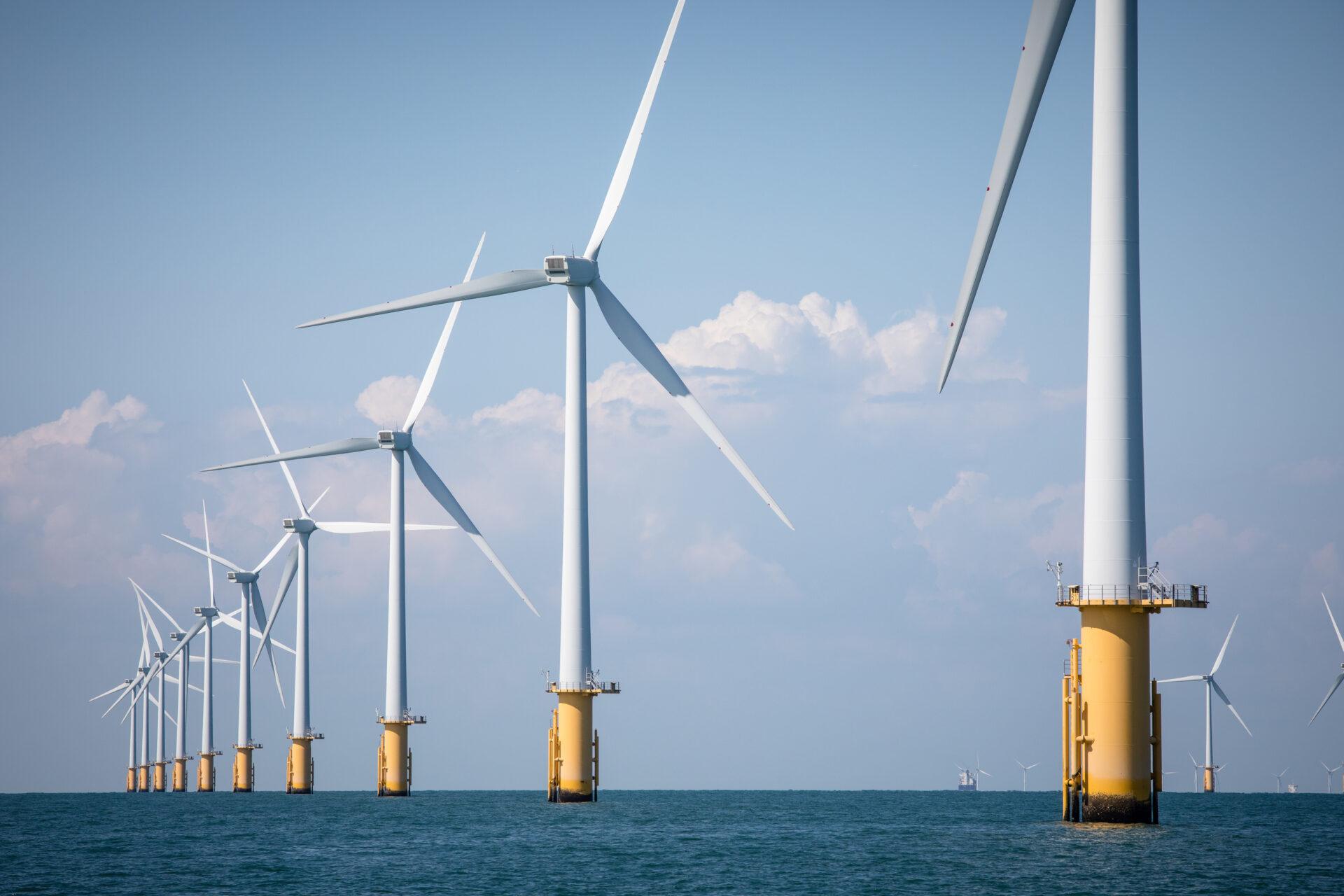
LNG Wind Energy
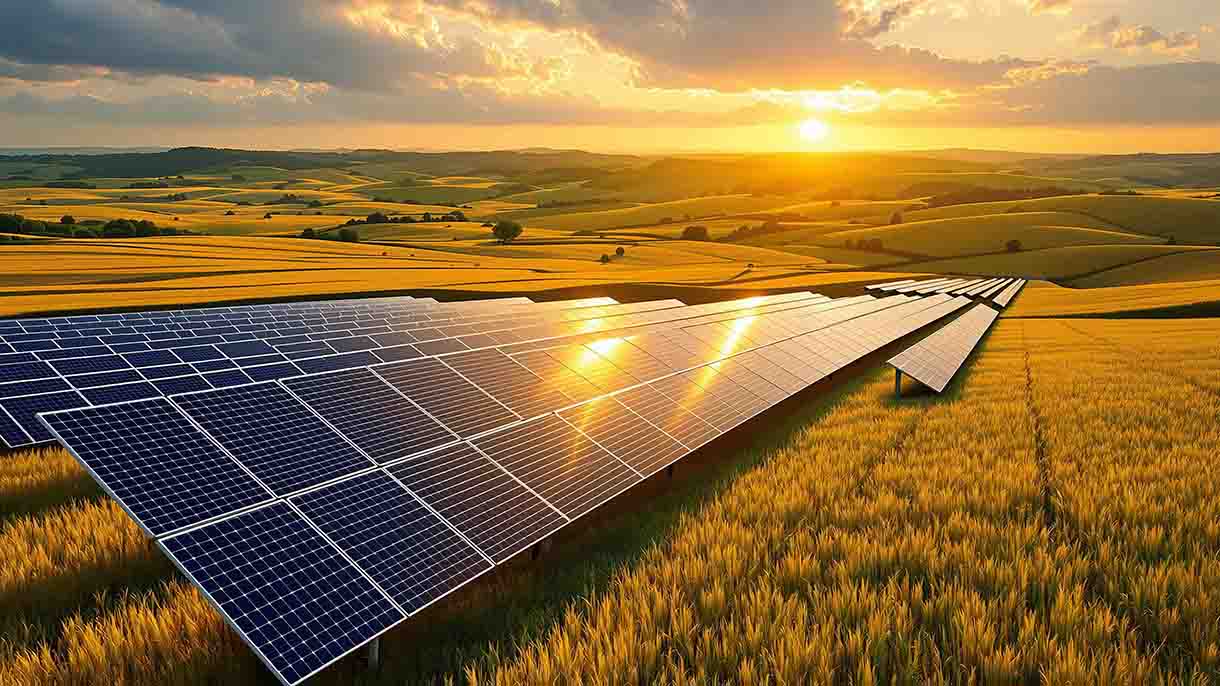
Solar Energy Coal
The Rooppur Nuclear Power Plant
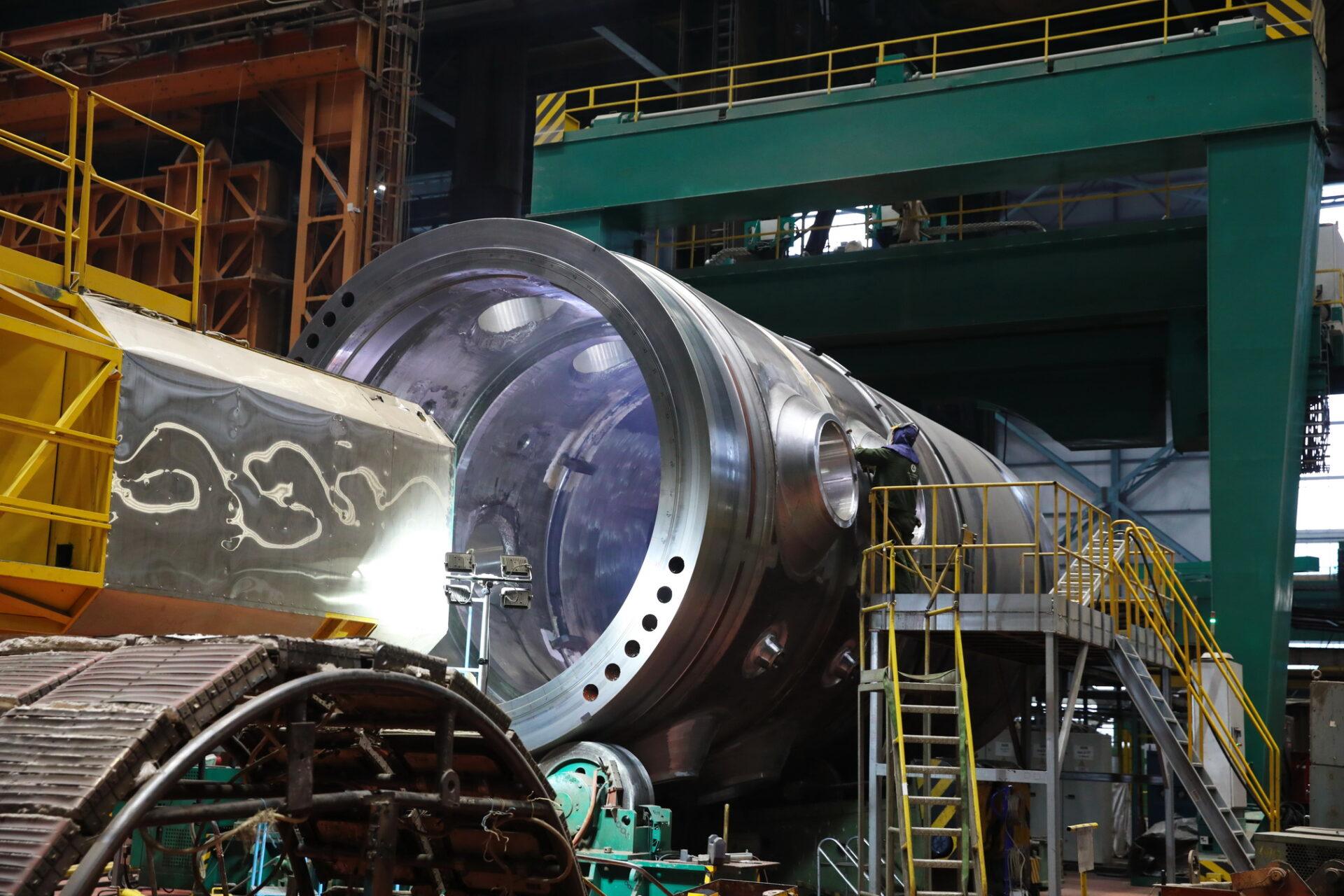
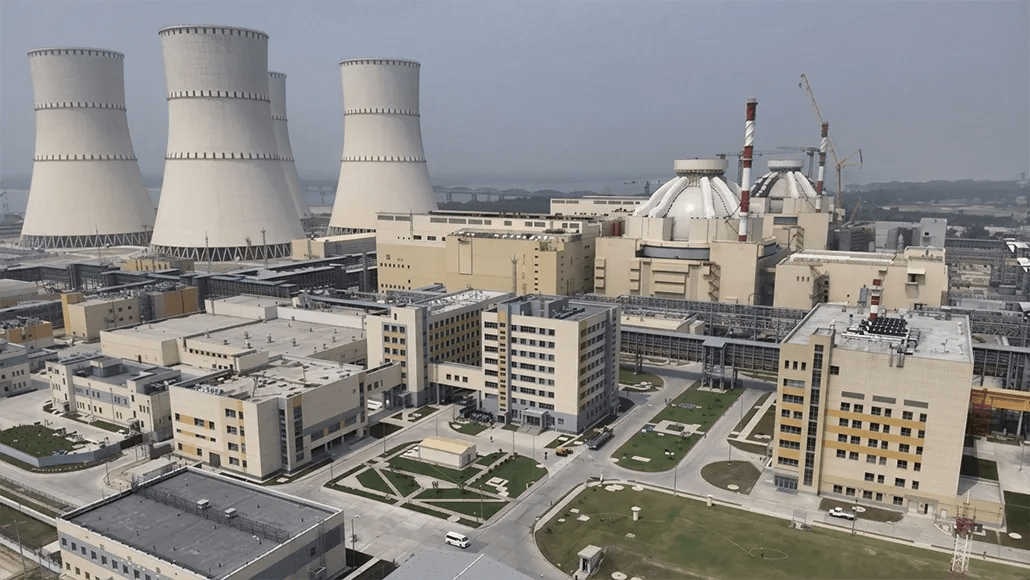
Rooppur Nuclear Power Plant located in Ishwardi, Pabna is the biggest and the most ambitious project ever undertaken in Bangladesh. Rooppur Nuclear Power Plant was constructed under the Russian government’s technical and financial support, and it has two VVER-1200 (Generation III+) reactors capable of producing approximately 1,200 MW of electricity each. Once fully operational, the nuclear power station is estimated to provide nearly 2,400 MW of electricity to Bangladesh’s power grid.
VVER-1200 Reactor
Apart from covering the country’s energy needs, the nuclear power plant project also creates job opportunities and promotes infrastructure development. It also promotes technical education in Bangladesh, as the country’s universities are now preparing specialists in various fields of nuclear engineering. In addition, Rooppur Nuclear Power Plant will play a crucial role in advancing Bangladesh’s science, technology, education, and innovation capabilities.
Rooppur Nuclear Power Plant
Why Bangladesh Chose Nuclear Energy
Bangladesh’s decision to embrace nuclear energy was motivated by multiple factors, including the possibility to produce electricity with fuel that is capable of continuous, stable power generation independent from weather conditions, as well as the fact that nuclear fuel is highly efficient and can yield enormous amounts of energy despite being compact and lightweight. In addition, nuclear energy production is associated with low greenhouse gas emissions, which aligns with global efforts to combat climate change; the project also promotes technological development, education, and innovation in Bangladesh.
Opportunities Offered by Nuclear Power
Nuclear power presents multiple opportunities for Bangladesh as an energy source that can ensure electricity security for the country.
(i) Energy Security
Nuclear energy production can help Bangladesh ensure electricity security as the natural gas reserves in the country are depleting, while the supply of other fossil fuels is unstable and subject to price variations on the world market. Nuclear reactors are capable of providing a continuous and stable electricity supply due to their ability to operate for a prolonged period of time without interruptions. In addition, a nuclear power plant is a reliable source of baseload power, which helps the country diversify its energy production and reduce its reliance on fossil fuels.
(ii) Economic Growth
Nuclear power can also promote Bangladesh’s economic growth by creating job opportunities and stimulating the development of new industries. Electricity is currently one of the most crucial inputs for most industries; hence, improved access to it will allow Bangladesh to increase its industrialization rates, which will lead to higher productivity, economic growth, and improved living standards. Besides, reliable electricity supply can also support the work of different social and business sectors, including healthcare and education.
(iii) Environmental Benefits
Nuclear energy production is associated with low greenhouse gas emissions, which presents a major opportunity for Bangladesh to achieve its climate goals and reduce the impact of energy production on the environment. Nuclear energy is a clean source of electricity compared to other energy sources available in Bangladesh. Although constructing nuclear power plants and processing nuclear fuel can be associated with increased carbon emissions, the overall impact on the environment can be limited compared to coal, oil, and natural gas power plants. Apart from that, nuclear energy can serve as a reliable electricity source for Bangladesh, which will reduce the carbon footprint of the energy sector.
(iv) Complementing Renewable Energy
Nuclear energy can complement the use of renewable energy sources, serving as a stable electricity source when the production of clean energy from wind turbines and solar panels is limited due to adverse weather conditions. This opportunity can be instrumental in meeting Bangladesh’s growing electricity demand while still relying on renewable energy sources.
(v) Human Resource and Technological Development
Developing a nuclear energy program has the potential to create significant opportunities for Bangladesh in terms of human resource development, technological progress, and access to new expertise. First, operating a nuclear power plant will require highly qualified specialists in diverse fields, and hence nuclear energy can become an important driver of Bangladesh’s education and technical development. Bangladesh’s nuclear energy development can also contribute to the creation of a competitive workforce in nuclear engineering and other STEM fields, as well as promote the growth of local engineering and technical universities. Moreover, nuclear energy can also offer research and innovation opportunities to Bangladeshi specialists in physics, environmental science, and other areas. As the new field of nuclear engineering develops in Bangladesh, it can also have a positive effect on the development of other industries and the country’s overall technological advancement.
Challenges Facing Nuclear Power
Although nuclear power offers many opportunities, it also comes with a set of significant challenges that Bangladesh will have to address carefully in order to realize the benefits of nuclear energy.
(i) High Costs
The most pressing challenge associated with nuclear energy in Bangladesh is its high costs. Nuclear power plants require a huge amount of investment in order to be built and operated. Although nuclear power plants are generally associated with low operating costs, it may take a long time for a nuclear power station to become profitable. Therefore, significant financial commitments are required to start the nuclear energy program in Bangladesh. In addition, Bangladesh will face great financial risks due to the long-term and capital-intensive nature of nuclear power projects.
(ii) Safety Concerns
Another major nuclear energy challenge is the issue of safety. There have been major nuclear accidents in the history of nuclear energy, including Three-Mile Island, Chernobyl disaster, and Fukushima incident. Although modern nuclear power plants feature advanced safety mechanisms, human error, technical failure, or external interference could still lead to a nuclear disaster. In addition, nuclear reactors require highly qualified workers to operate them in a safe manner. Hence, Bangladesh will have to ensure the safety of its nuclear power plant by adhering to strict safety policies and conducting regular safety assessments.
(iii) Waste Management
Nuclear energy production generates waste, which may pose serious environmental and safety concerns for Bangladesh. Nuclear waste requires safe handling and storage in order to prevent environmental damage or radioactive exposure. Even though the volume of nuclear waste produced by nuclear power plants in Bangladesh will be much lower than the amount of coal waste produced by conventional power plants, it is critical to establish proper nuclear waste management practices.
(iv) Reliance on Experts
Bangladesh may encounter the challenge of relying on foreign experts for the operation of its nuclear power plant. Although it is normal for a developing country to rely on the expertise of other nations in nuclear energy, nuclear power plant operators should be trained to ensure the safety and stability of the country’s nuclear program. Bangladesh should invest in technical education and nuclear training in order to develop a competitive workforce in nuclear engineering.
(v) Cybersecurity and Protection
Modern nuclear power plants require advanced cybersecurity infrastructure to protect their digital systems from possible cyber-attacks. Physical protection of nuclear facilities is also required to prevent possible sabotage or theft of nuclear material.
(vi) Public Acceptance
Finally, Bangladesh may have to address the issue of public acceptance of nuclear energy and its associated risks. The general population should be aware of the benefits of nuclear energy to ensure a positive public opinion on the development of nuclear energy in the country. The history of nuclear accidents has shown that a tragic incident involving radiation exposure can result in great public outcry against nuclear energy. Therefore, Bangladesh will have to conduct public awareness campaigns regarding nuclear energy to gain public support.
Conclusion
The construction of Rooppur Nuclear Power Plant is a major step toward electricity security and sustainable development in Bangladesh. Nuclear energy can serve as a reliable source of electricity in the country while also helping to combat climate change, reduce the impact on the environment, and support Bangladesh’s economic and technological development. Nevertheless, the high risks associated with nuclear energy, including nuclear safety concerns, waste management issues, and high costs, should be taken into account. In order to make nuclear energy in Bangladesh competitive and safe, the government should establish the necessary regulatory framework and safety rules and invest in the development of technical education in the fields of nuclear energy and related STEM areas.
References:
- International Atomic Energy Agency (IAEA). (2024). Country Nuclear Power Profiles: Bangladesh. Vienna, Austria: IAEA. Available at: https://cnpp.iaea.org/countryprofiles/Bangladesh/Bangladesh.htm
- Bangladesh Atomic Energy Commission (BAEC). (2024). Rooppur Nuclear Power Plant Project. Dhaka, Bangladesh: Bangladesh Atomic Energy Commission. Available at: https://www.baec.gov.bd
- World Nuclear Association. (2024). Nuclear Power in Bangladesh. London, UK: World Nuclear Association. Available at: https://world-nuclear.org/information-library/country-profiles/countries-a-f/bangladesh
- Ministry of Science and Technology, Government of Bangladesh. (2023). Rooppur Nuclear Power Plant: Bangladesh’s First Nuclear Power Project. Dhaka, Bangladesh. Available at: https://most.gov.bd
Author Details:
Name: Farhan Fuad
Lecturer
Faculty of Science and Engineering
Universal College Bangladesh